Project management became a profession through the work of people who recognized that complex projects needed more than technical expertise. They needed structured methods, trained professionals, and a shared understanding of how to plan, measure, and deliver results. Much of what is now standard practice in the field developed through years of experience, experimentation, and the efforts of individuals willing to formalize what they had learned on the job.
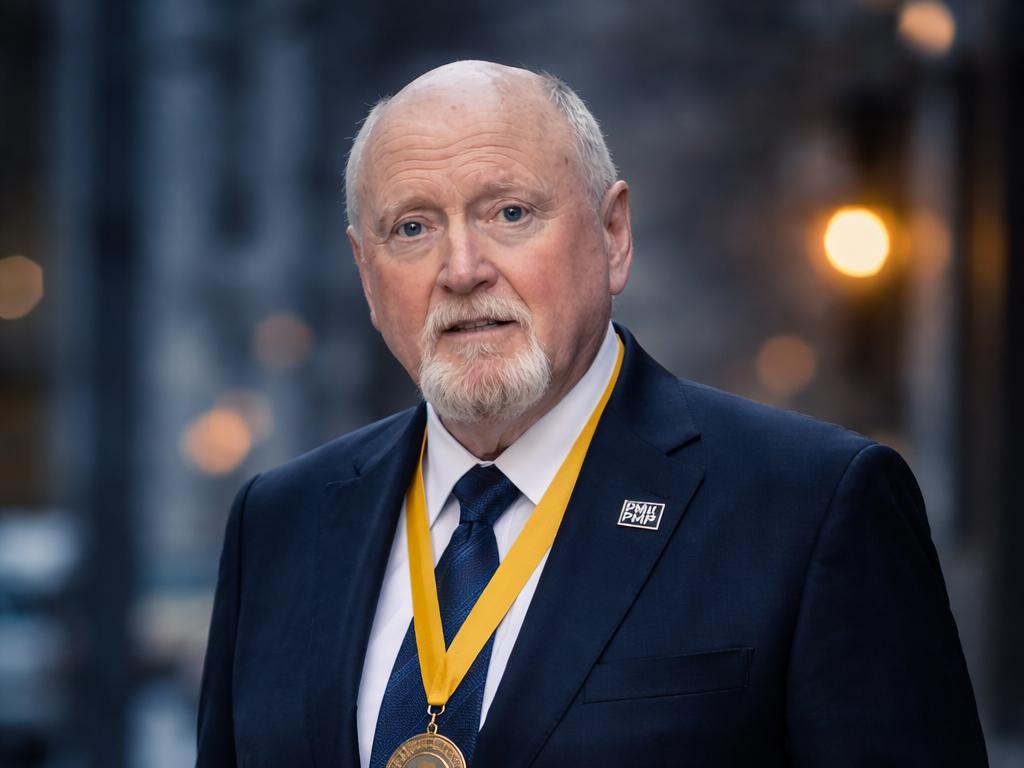
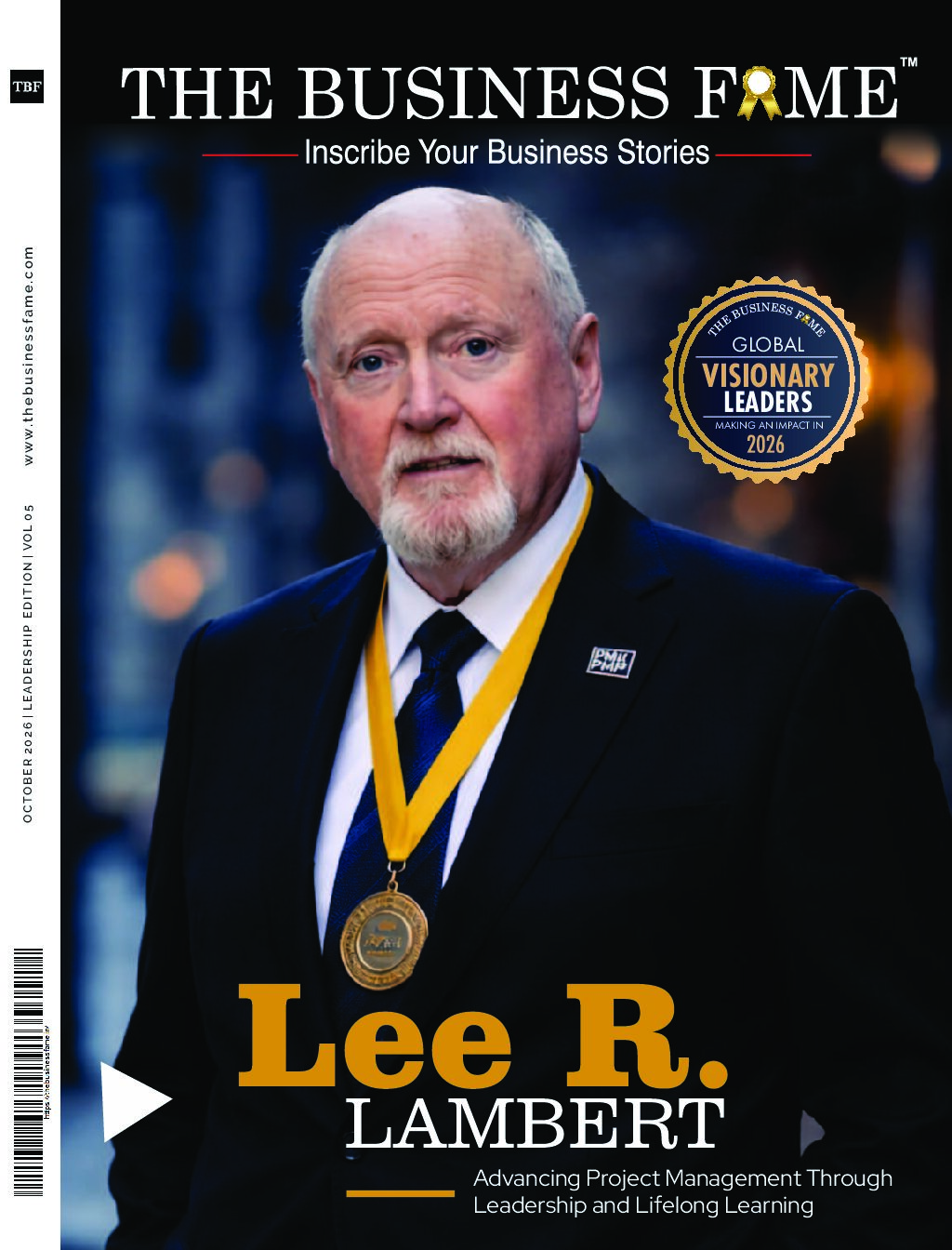
Few careers offer a closer view of that evolution than Lee R. Lambert’s. With six decades in project management, Lee began his professional life in 1966 at Chicago Bridge and Iron in Salt Lake City. His early career took him through nuclear research at Lawrence Livermore National Laboratory and into General Electric’s nuclear reactor business, where he spent ten years before moving into project management training, with a focus on Earned Value Management Systems. Each transition brought new lessons, and he came to regard finding a good mentor as one of the most important steps in professional growth. He credits four mentors with playing a significant role in his own development.
Lee’s career soon extended beyond applying project management principles to individual assignments. In 1978, he joined Pacific Northwest National Laboratory in Richland, Washington, where he helped establish a formally recognized Project Management Office. In 1981, he moved to Columbus, Ohio, to help create a dedicated Project Management Division for large government contracts. Around the same time, the Project Management Institute invited him to contribute to the development of a professional certification program for project managers. Working with four other founders, he spent nearly three years helping develop what became the Project Management Professional (PMP) certification, which launched on October 7, 1984.
That milestone marked another turning point. Lee left the Project Management Division to establish Lambert Consulting, specializing in project management consulting and training professionals to pass the PMP examination. In 2009, he was named a PMI Fellow in recognition of his contributions to the profession. This recognition reflected years of involvement in project management, from helping establish professional certification to educating and training others. Having spoken in 64 countries, Lee continues to share his understanding of the field and its development with audiences around the world.
Recognizing the Potential of a Profession
Lee has always been drawn to new opportunities. When the Project Management Institute (PMI) invited him to join the five-person team developing a professional certification, he accepted without hesitation. The decision became the foundation of what he describes as an exceptional career. He saw the potential of project management early and believed in the direction the profession was taking.
That conviction extended beyond his own professional development. Lee became a globally recognized speaker on the value of project management and has spent much of his career educating others about its benefits. Although he is often credited with the Project Management Professional (PMP) certification, he is quick to acknowledge that its development required the collective effort of many people. He happens to be the only surviving founder and, by his own description, the most outspoken.
How Project Management Evolved
The development of modern project management was influenced by the US Department of Defense, particularly through its major systems acquisition programs. These initiatives required the application of extensive project management practices, including Earned Value Management and network scheduling. Lee notes that the Department of Defense has contributed many of the profession’s most beneficial concepts over the years.
The formation of PMI in 1969, with the objective of establishing project management as a recognized profession, further expanded interest in the discipline. Automated support systems also developed rapidly, making project management practices more useful and accessible. That evolution continues, with new tools and approaches, including artificial intelligence, extending the possibilities for project teams.
Communication and Leadership at the Core
Despite the growing range of tools, techniques and knowledge available to project professionals, Lee believes two capabilities remain fundamental: communication and leadership. In his view, they are the elements that allow project managers to make effective use of everything the profession has developed since the late 1960s.
Without strong communication and leadership, even the most advanced tools cannot guarantee successful outcomes. Technical knowledge matters, but it must be supported by the ability to communicate clearly, lead people effectively and bring their contributions together.
Lee believes good project managers understand how to select the right tools for the task while developing expertise in communication and leadership. They also recognize the importance of trust and collaboration. No matter how capable an individual may be, success depends on the contributions of others.
Recognition Through the PMI Fellow Award
The PMI Fellow Award represents the Project Management Institute’s highest recognition. To be considered, recipients must have maintained active membership in the institute for at least ten years and made significant contributions to the project management profession.
For Lee, receiving this distinction was an important professional milestone. It recognized his longstanding contribution to the field and his involvement in advancing project management as a recognized discipline.
According to Lee, the number of active Fellows is close to 100. Although nominations take place annually, the process does not necessarily result in a new Fellow being named every year. The award therefore represents recognition of sustained professional contribution rather than simply years of membership.
Using AI with Purpose
Lee sees artificial intelligence and other emerging technologies as capable of having a significant impact on project management. However, he believes the benefits will depend on how wisely organizations use these capabilities.
Adopting technology simply because it is new may not deliver meaningful results. The more important task is to identify where it can improve efficiency and speed. When organizations assess technology in terms of practical benefits rather than novelty, they are better positioned to realize its potential.
For Lee, the value of innovation lies in how effectively it supports the work rather than in the technology itself.
Lifelong Learning as a Professional Responsibility
Lee describes himself as a lifelong learner and encourages project managers to take the same approach. As new methods and technologies emerge, he makes a point of using the learning opportunities PMI provides to stay current with the project management body of knowledge.
He warns that professionals who stop learning risk becoming obsolete and watching their careers fall behind. Continuing education is not an optional extra, in his view, but one of the most important investments a project manager can make.
Keeping pace with the profession requires curiosity, discipline and a willingness to adapt. Knowledge gained earlier in a career remains valuable, but it must be updated as practices and capabilities evolve.
Developing Project Management Capability Across Organizations
Lee recommends that organizations develop and implement a training program aligned with the Project Management Body of Knowledge (PMBOK). Employees across the organization should receive training on the components relevant to their roles, helping them understand how project management principles apply to their responsibilities.
Communication and leadership should receive particular attention, alongside a clear expectation of continuous learning. This approach can help project management become a shared organizational capability rather than a responsibility confined to a specialist team.
Why Project Management is Not an Automatic Guarantee?
Lee challenges the assumption that following a simple process or using project management tools automatically guarantees success. The idea that projects will succeed simply because project management is applied is, in his view, misleading.
Tools and techniques can support better planning, coordination and decision-making, but their value depends on how people use them. Communication, leadership, collaboration and judgment remain essential to translating project management knowledge into successful outcomes.
Preparing Future Leaders Early
Lee believes project management education should begin early, with substantial attention given to leadership. Leaders need information to understand where to go and how to direct their efforts. Project management generates information that can help them make those decisions.
By using project management outputs to guide leadership, individuals can better understand their capabilities and determine how to apply them effectively. For Lee, the relationship between project management and leadership is central: one provides valuable information, while the other uses that information to establish direction and move people towards a shared objective.