Public spaces—from city streets to parks, commercial areas, and transportation hubs—are designed to be accessible, but their safety depends heavily on security, lighting, and maintenance. Neglect in any of these areas can increase the likelihood of injuries and accidents. Proper planning, regular upkeep, and proactive measures help protect the public, reduce liability for property owners, and ensure that everyone can navigate spaces safely. Understanding how these factors interact provides insight into accident prevention and highlights why legal guidance is sometimes needed when safety measures fail.
The Role of Security in Public Safety
Security personnel and monitoring systems are essential in maintaining safe public spaces. Visible security guards, surveillance cameras, and rapid response teams deter criminal activity, reduce conflicts, and help prevent injuries caused by unsafe behavior.
For instance, crowded events, late-night areas, and high-traffic pedestrian zones benefit from a visible security presence. Quick intervention during incidents, whether it’s a confrontation, a spill, or an unsafe activity, can prevent minor situations from escalating into serious injuries.
Security also plays a legal role; evidence collected through cameras or officer reports can support claims when someone is injured due to negligence. Consulting professionals like Morris Injury Law helps victims understand how lapses in security may affect liability and compensation.
The Impact of Negligence on Legal Claims
When public safety measures are inadequate, victims may have grounds to pursue legal claims. For example, poorly maintained walkways, insufficient lighting, or absent security can be considered negligence if they contribute to injury. Understanding liability is essential for both injured parties and property owners, ensuring accountability and encouraging safer public spaces.
How Proper Lighting Prevents Accidents
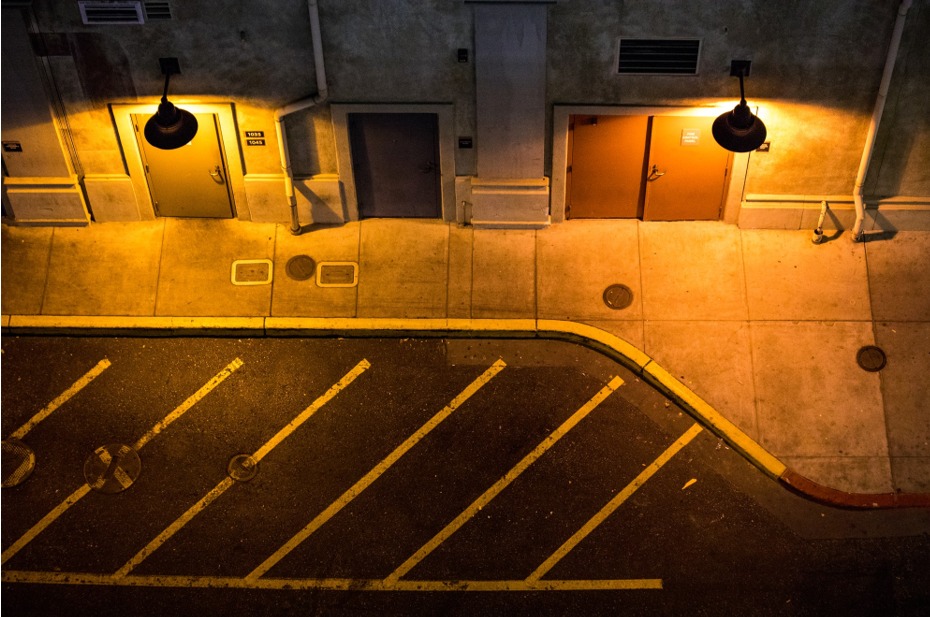
Adequate lighting is one of the simplest yet most effective ways to improve public safety. Well-lit streets, walkways, and parking areas increase visibility, helping pedestrians and drivers detect obstacles, uneven surfaces, or hazards.
Poor lighting contributes to slips, trips, falls, and collisions. Shadows can hide hazards, and dimly lit areas are more prone to criminal activity. Routine assessment of lighting systems ensures they are functioning and strategically placed to cover critical areas.
By prioritizing lighting, property managers and city planners reduce the risk of incidents and improve confidence for visitors navigating public spaces after dark.
Maintenance: Preventing Hazards Before They Happen
Neglected maintenance is a leading cause of injuries in public spaces. Broken sidewalks, loose railings, potholes, uneven flooring, and malfunctioning equipment create hazards that can lead to serious incidents. Regular inspections, timely repairs, and preventive upkeep help minimize risk.
Documentation of maintenance schedules and repairs also provides evidence of due diligence. If injuries occur despite proper maintenance, records can show that responsible parties acted appropriately. Conversely, gaps in upkeep can establish negligence in legal proceedings.
A proactive approach to maintenance not only reduces accidents but also reinforces community trust in the safety of public spaces.
Emergency Preparedness and Response Plans
Even with strong security, lighting, and maintenance, accidents may still occur. Having clear emergency protocols, accessible first-aid stations, and trained personnel ensures incidents are addressed quickly, reducing severity.
Emergency response plans should include procedures for medical assistance, evacuation routes, and communication with authorities. Well-executed response strategies demonstrate a commitment to public safety and help mitigate legal liability in the event of an injury.
Public Awareness and Personal Responsibility
While structural and managerial measures are crucial, public awareness plays a complementary role. Signage warning of hazards, clear instructions for safe behavior, and educational campaigns increase compliance with safety guidelines.
Visitors should remain attentive, follow posted rules, and report hazards promptly. A combination of personal responsibility and proactive safety measures creates an environment where accidents are less likely to occur.
Integrating Technology for Safer Public Spaces
Modern technology enhances safety by providing real-time monitoring, automated alerts, and improved lighting systems. Smart cameras, sensor-driven streetlights, and maintenance tracking software allow faster responses to hazards and security threats.
Technology also supports evidence collection, which is crucial for both prevention and legal proceedings. Integrating digital tools with traditional safety measures maximizes protection for the public and reduces the likelihood of injury-related claims.
Regular Audits and Risk Assessments
Routine safety audits and risk assessments identify weaknesses before they cause accidents. Evaluating lighting, security coverage, and structural conditions ensures potential hazards are addressed proactively.
Assessments can be performed internally or by third-party safety consultants. Consistent evaluations demonstrate a commitment to public safety and provide documentation supporting legal compliance, showing that property managers took reasonable steps to prevent harm.
Encouraging Community Involvement in Safety
Public safety is not only the responsibility of authorities and property managers—community members play a vital role. Residents, employees, and frequent visitors can help identify hazards, report maintenance issues, or alert authorities to unsafe behavior.
Neighborhood watch programs, local safety initiatives, and mobile reporting apps empower the public to contribute actively to a safer environment. Engaged communities reduce the likelihood of accidents and ensure hazards are addressed promptly.
In cases where injuries occur despite these efforts, documentation from witnesses or community reports can support legal claims.